The technical concepts behind the work, in plain language.
01How a page gets rankedSearch engines crawl a page (find it), render it (read it like a browser), index it (store it) and then rank it. A problem at any step keeps the page out of results, so we check each step in order.
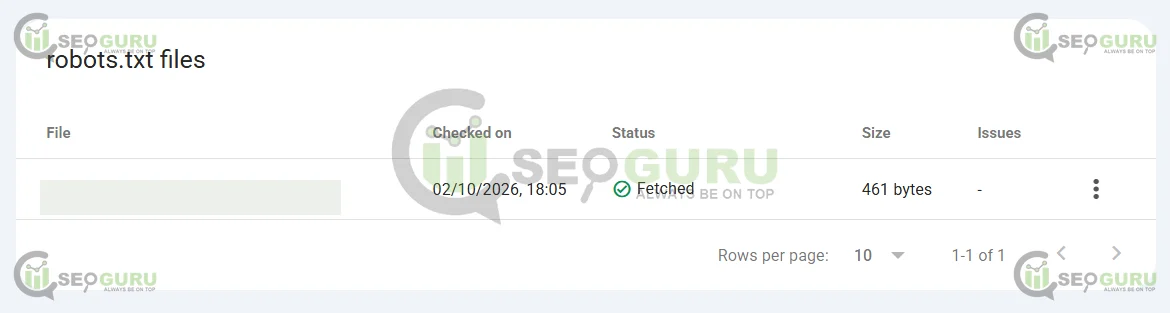
02Robots.txt, noindex and canonical tagsRobots.txt controls what bots may crawl, but it does not remove pages from the index. A noindex tag controls indexing, and it must be crawlable to work. A canonical tag points to the preferred version of similar pages. Mixing them up is a common, costly mistake.
03Status codes and redirectsA 200 is a healthy page, a 301 is a permanent move, a 404 or 410 is a missing page and a 5xx is a server error. After a move, every old URL should 301 to its closest new match so authority and visitors are not lost.
04Sitemap rulesAn XML sitemap lists the pages you want indexed, with up to 50,000 URLs or 50 MB (uncompressed) per file. Larger sites use a sitemap index. We keep sitemaps clean: only live, indexable, canonical URLs.
05Core Web Vitals targetsGoogle’s thresholds, measured for most real users, are Largest Contentful Paint of 2.5 seconds or less, Interaction to Next Paint of 200 milliseconds or less and Cumulative Layout Shift of 0.1 or less. We fix the causes: heavy images, blocking scripts, slow servers and shifting layouts.
06Mobile, JavaScript and internationalGoogle primarily indexes the mobile version of your site. Content built only by JavaScript can be indexed late, so key content should be in the page itself. For sites serving several countries, hreflang tags (for example en-PK, en-GB, en-US, en-AE) point each audience to the right version.
07Crawl budget, honestlyCrawl budget mostly matters for large sites with many thousands of URLs, such as online stores. For smaller sites, the priority is making sure every important page is linked, indexable and fast.
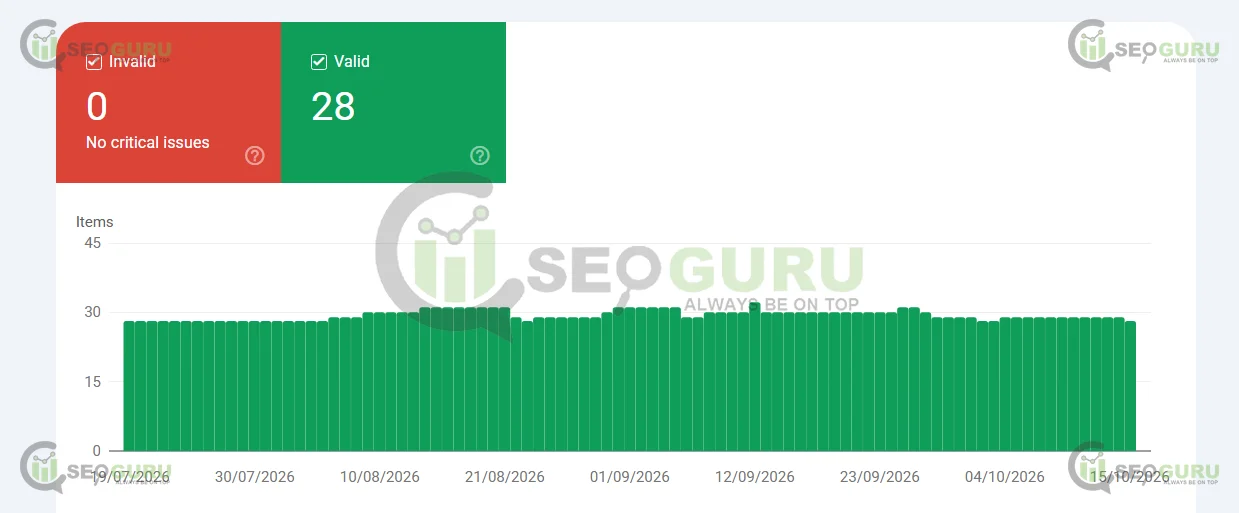
08Structured data and AI readinessValid markup (checked with Google’s Rich Results Test) and a clear page structure help search engines and AI answer systems extract and cite your content. Optional files such as llms.txt can help describe your site, but they are not a ranking factor.
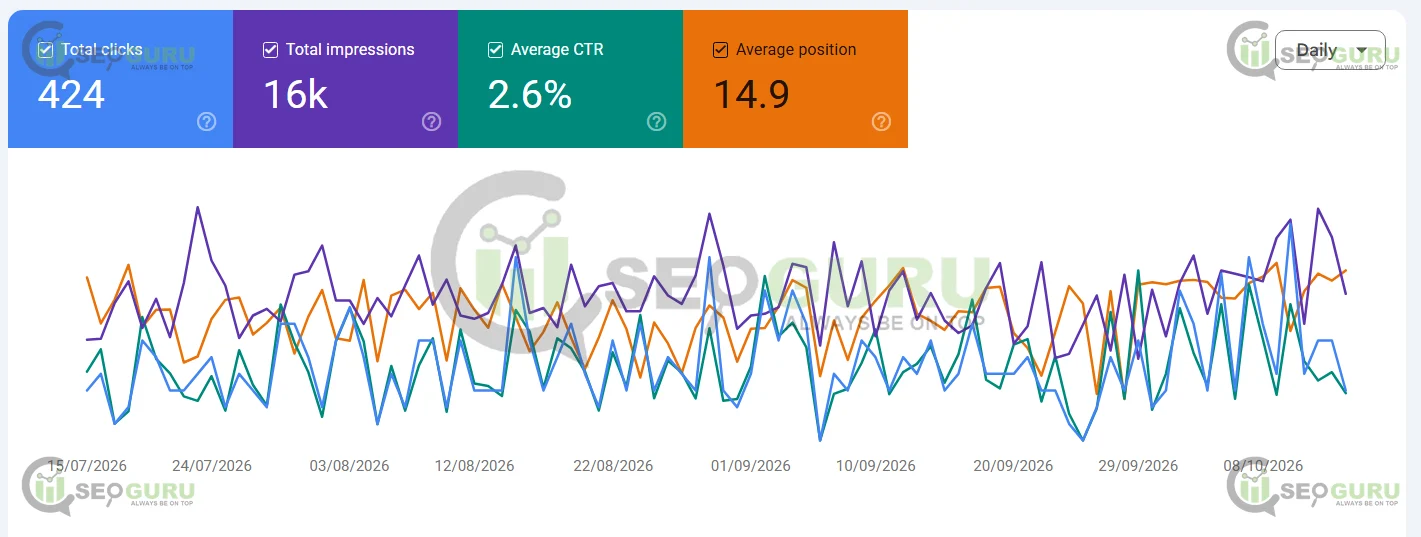
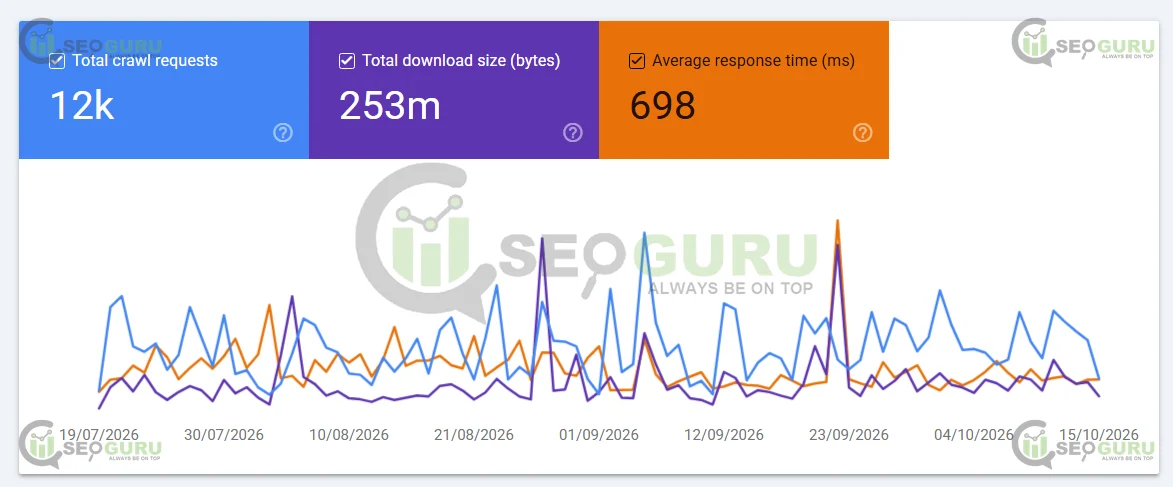
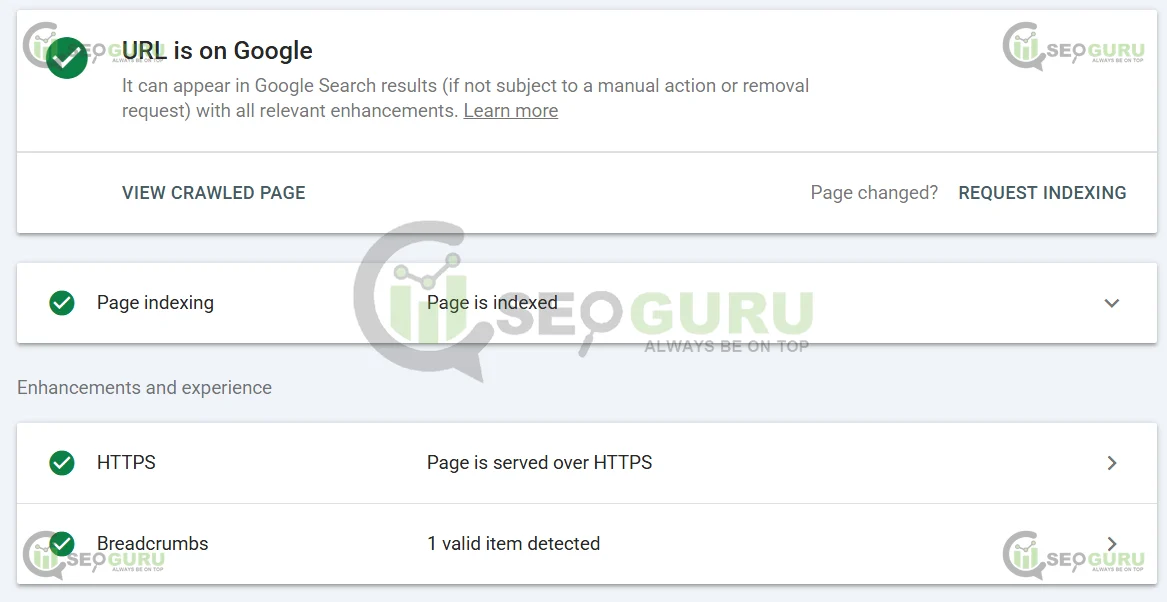
09Search Console monitoringWe watch the indexing, crawl stats, Core Web Vitals and manual actions reports. Requesting indexing for a new page speeds up discovery, but it does not guarantee that the page will be indexed.